




-1.png?width=400&name=CMS%20(23)-1.png)

A DAM can be as simple as an image repository or as complex as a mission-critical business solution. When having a lot of assets, having an advanced metadata structure is crucial.
This blog post is Part 1 of a total of three part blogpost series. We will guide you from laying the foundation of your metadata structure (Part 1 and 2) to introducing complex business rules and automation (Part 3).
Which type of company benefits from a good metadata structure?
Of course all businesses should have a good metadata structure. Even if your company is smaller, a solid foundation is always great to have and grow with.
However, if these statements apply to your company, it is a sign your business is in need of a more complex metadata structure with mandatory rules and automation and it’s definitely time for you to start laying the foundation for your metadata structure!
- Your company has a large number of products
- Your company has multiple brands
- Your company operates on a number of geographical markets and languages
- Your company has a international customer base
- Your company has many stakeholders that need to access different digital assets in various formats, situations and for various purposes
- Resellers, customer service agents, and/or other type of partners need to have easy access to your digital assets
- Your company has many digital channels (both outbound go-to market, but also to suppliers, internal portals, sales network etc.)
- Your company is in need of accessing digital assets from a variety of other systems
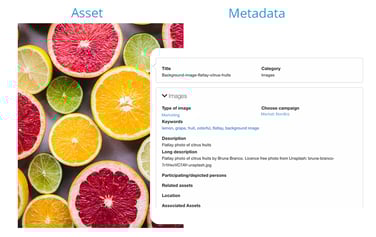
Metadata structure is KING!
So, now that we've gone over some of the signs that your business needs a solid metadata structure, I guess you would like to know why it is important and beneficial!
The simple explanation is that a file without metadata...(such as:
- Filename, title and description,
- Tags, keywords and categories
- Who created and when (date and time)
- Who last modified and when
- Who can access or update
- Geolocation)
...is simply very hard (or impossible) to locate and use. Having a great metadata structure will enable you to increase the use of your assets, maximize brand consistency and structure, open doors to having incredible workflows and automations. Further, this will save your business a great amount of time that you can spend on other things like strategy, sales and creativity (and who doesn’t want that?!)
Did your company tick any of the categories above?
If yes, then you should definitely book a demo with a QBank DAM expert. We will help guide you to define your metadata structure to eventually get to the point where you can set up business rules and automation!
Before you are able to build workflows and automations around a great metadata structure, you need to lay foundation. Don't miss part 2 of this blog post series - all about how you lay the foundation of metadata structure. Subscribe and stay updated!